Average Is Awful

Let’s think about the average human’s ability to play chess.
About 8 billion people are alive.
How many of them have ever seen a chessboard?
Many but not most.
How many know what every piece does?
Fewer.
How many have played fifty games?
Fewer still.
How many have played five hundred?
How many have studied openings, endgames, and tactics?
How many have played competitively?
Let’s look at some actual numbers…
Chess.com has 267 million registered accounts, about 3% of the human population.
Only about 10 million people use Chess.com on an average day, 0.125% of the population.
Then there are a few thousand grandmasters. 0.0001%.
Then the handful of people, maybe ten, who can reasonably contend for the world championship. 0.000000125%.
Then, there is the best chess player on Earth. (Magnus Carlsen has won more than 20 world championships in various categories.)
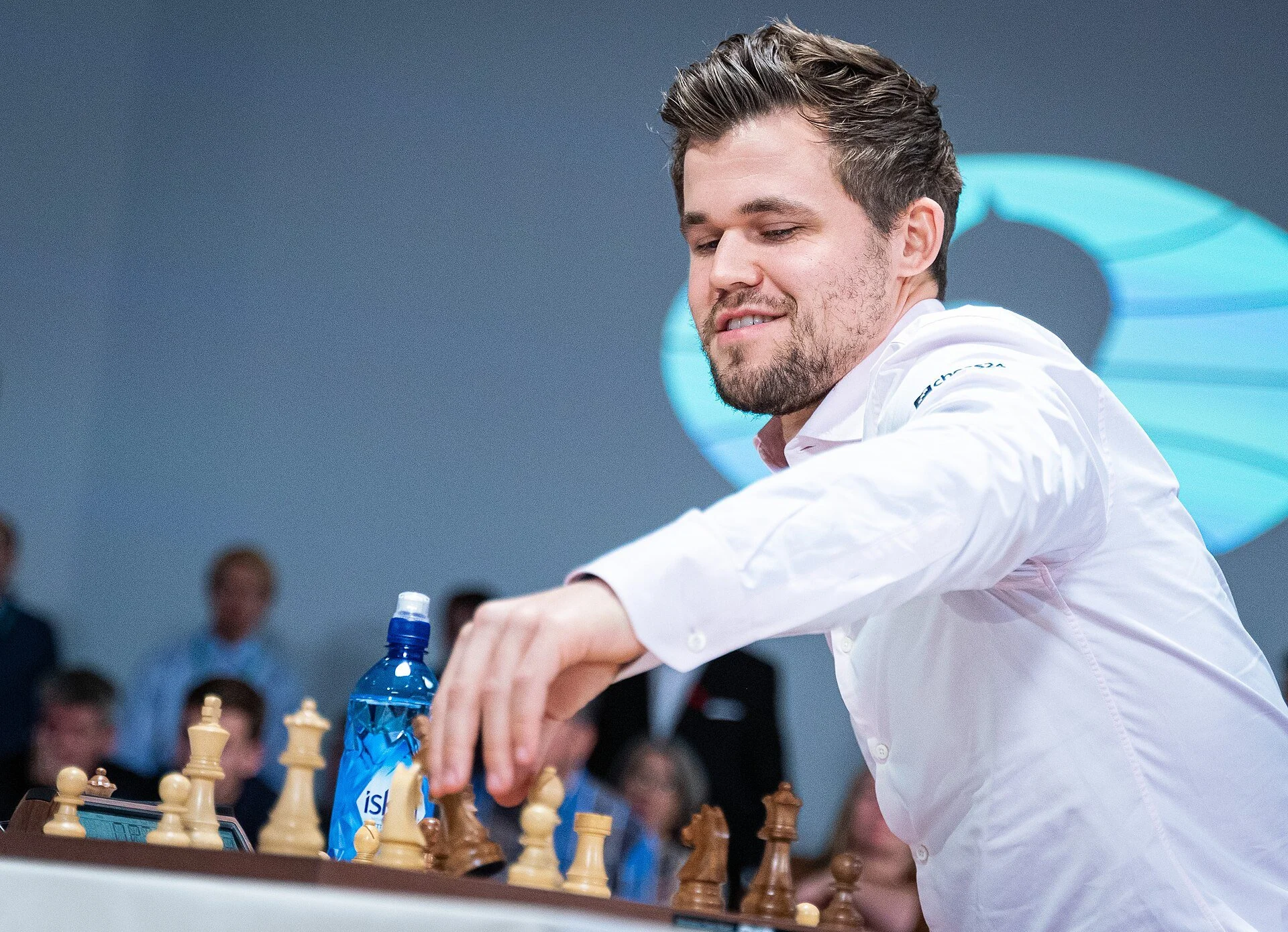
Magnus Carlsen. Lennart Ootes, CC BY-SA 4.0 <https://creativecommons.org/licenses/by-sa/4.0>, via Wikimedia Commons
So imagine randomly selecting one human being from Earth and sitting them across the board from Magnus Carlsen.
Magnus isn’t just somewhat better or a hundred times better. He’s infinitely better. Denominator zero, does not compute. The random person is cooked on arrival. No chance of success.
That is the reality of the Average person in any game that requires knowledge and skill that they haven’t really encountered before. Insta-cooked.
But maybe that’s too obvious, because a randomly selected person isn’t even aware how to play the game.
Let’s randomly select within active Chess.com accounts. Maybe we pull a 1500-rated player. (Even though the Mode is actually closer to 800).
A 1500-rated player has studied openings, played many hundreds of games, and beats every casual player. (If you don’t know what an ELO rating is, I guarantee a 1500-rated player is better than you.)
Now sit them across from Magnus Carlsen, at his peak rated 2882.
That ELO gap would predict that if they played a game every day, Magnus would win every single game. For years. You might get your first draw sometime in your eighth year. Maybe.
The insight here is that in some areas of life “Good” isn't even remotely close to best.
Average is what you see every day. So that’s what you tend to believe is normal.
You can only conceive of the level of excellence you have experienced.
When you see what the truly excellent can do, you realize how awful the average performer is in comparison.
A game I like to play with people is having people estimate the world record of some random thing, we all guess at it, then look it up.
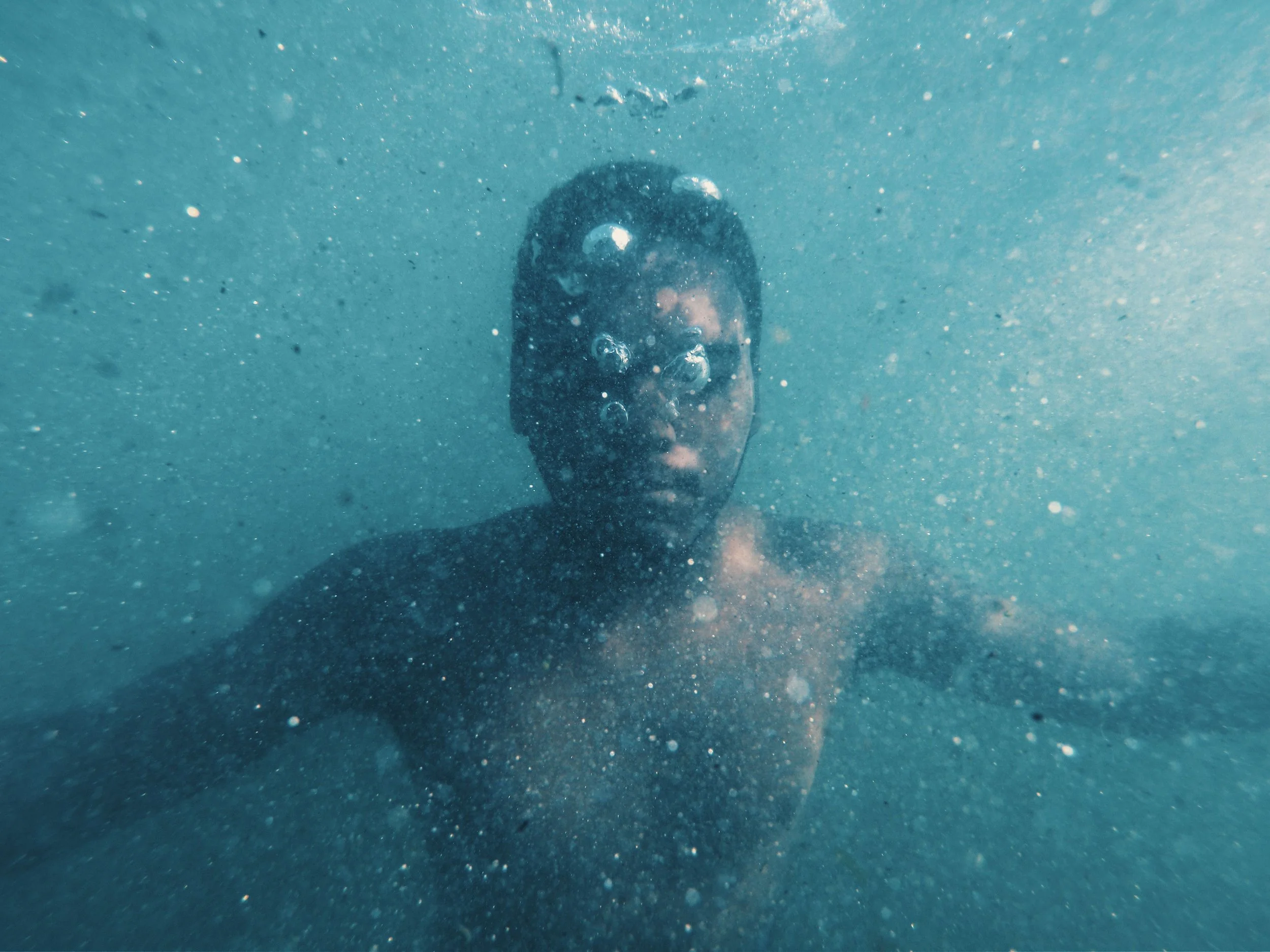
How long can you hold your breath? 30 seconds? 50?
The average is 44 seconds.
What do you think the world record is?
Got your guess?
11 minutes, 54 seconds.
There is also a different category that permits breathing pure oxygen before the hold. The current men’s record there is 29 minutes, 3 seconds.
Over and over again, the extremes of human performance dwarf the average. And by a shocking amount.
The optimistic take on this is that your abilities are highly malleable.
Your intuition about the limits of your own capability is formed before you get any context or training.
Imagine instead that tomorrow you hired one of the best freediving coaches in the world.
They taught you how to breathe beforehand. How to relax. How to position your body. How to recognize the rising urge to breathe. What sensations matter and which ones don’t. How elite freedivers train. How to practice safely.
You would probably discover that the thing you thought was “your limit” wasn’t much of a limit at all.
It was just your untrained performance.
We make this mistake everywhere.
We try something a few times, notice how difficult it is, look around at the other amateurs near us, and unconsciously set a model for what we’re capable of.
Then somewhere, usually far outside our field of view, someone has spent twenty years pushing the capability far beyond anyone’s expectations.
If you saw that person, learned from them, and applied even 30% of what they know, you could probably double or triple your performance, becoming WELL above average with relatively little effort.
Want to invest in startups with us?
We fund geniuses building utopian technologies.
We write small checks to 10-15 very different startups each year. Previous investments include Aalo Atomics, Ouros Energy, Stell Engineering, Airship, Terraform Industries, Longshot, Dirac, Atlas, Atomic Industries and 40+ more.
Our Website has background on the fund, our past deals, and more.
Startup investing is risky, illiquid, and not for the faint-of-heart. Be warned.
Accredited Investors: reply to this post, and we'll get you into our new investments starting this quarter.